Back
Back
24 April 2026
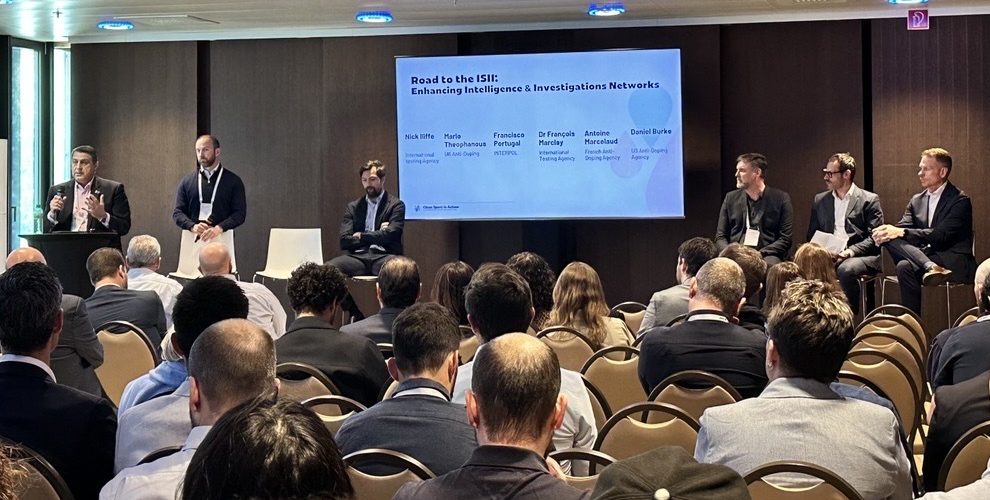
Over two days at the EHL, the Hospitality Business School of Lausanne, Switzerland, the Forum convened a broad and diverse range of experts representing the different pillars of the international anti-doping system on 23-24 April 2026. Participants included international-level athletes, representatives from National and Regional Anti-Doping Organisations (NADOs/RADOs), the ITA, International sport Federations (IFs), Major Event Organisers (MEOs) and Integrity Units, WADA-accredited laboratories, scientific and academic institutions, as well as representatives from the World Anti-Doping Agency (WADA), organisations specialised in providing anti-doping solutions, invited experts, and media. This diversity of perspectives created a unique environment for exchange across organisations operating in different contexts and with varying levels of resources and operational capacities.
Designed as a unique platform focused on improving the quality and efficiency of anti-doping operations, the Forum placed particular emphasis on the exchange of know-how and best practices. Discussions were grounded in the day-to-day realities of delivering clean sport activities, allowing participants to engage directly with practical challenges and solutions, as well as potential ways forward in the future. Across plenary sessions and interactive formats, organisations shared concrete approaches to testing strategies, program coordination, results management, scientific developments, the use of digital tools and other clean sport areas.
A central objective of the Forum was the strengthening and harmonising of collaboration across the stakeholders required to implement the World Anti-Doping Code. The exchanges highlighted how shared learning can support more consistent and effective implementation of anti-doping programs, while also providing valuable guidance for organisations operating in more constrained environments. In this regard, the Forum offered a platform not only to share experience, but also to build practical connections that can support ongoing cooperation beyond the event itself.
By bringing together organisations with complementary roles the Forum reinforced the importance of coordinated action and mutual support in protecting clean sport. The discussions demonstrated that while operational contexts may differ, many challenges are shared, and solutions can be adapted and applied across settings.
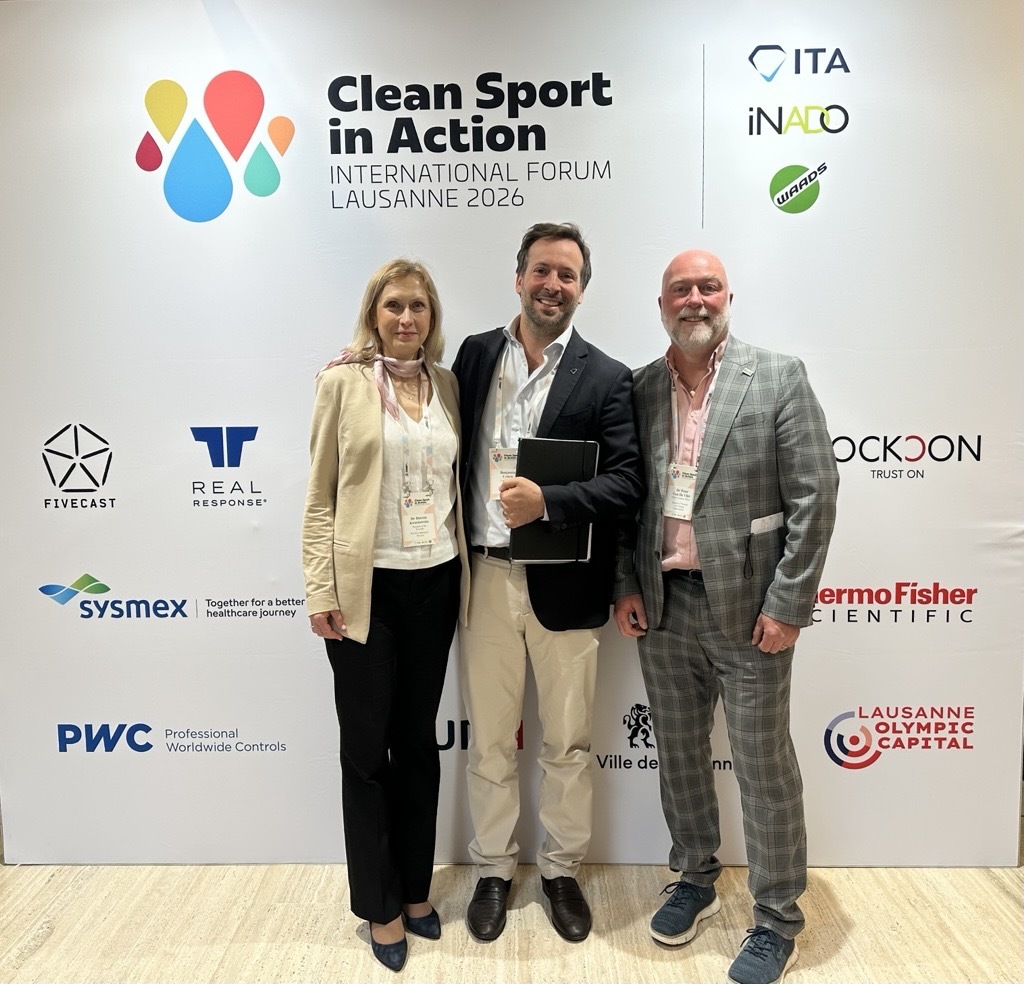
Benjamin Cohen, Director General of the ITA:
“This Forum provides a dedicated platform bringing together all main stakeholder groups bound to implement the World Anti-Doping Code – namely, athletes, NADOs & RADOs, IFs & MEOs, laboratories and their delegated third parties – to discuss the specifics and day-to-day realities of clean sport programs. I was particularly pleased to see that all 350 participants shared the same passion for integrity in sport and the same energy to fight every day to protect it. On the other hand, all participants being involved in the daily management of anti-doping programs also share very similar struggles and challenges. This Forum has shown the value of open and practical dialogue and provided an excellent platform to discuss how best parties can collaborate to improve the effectiveness of their operations. I hope that participants will leave Lausanne with new ideas and colleagues, enthusiastic about the many future progresses we will achieve together.”
Dr Peter Van de Vliet, representing iNADO:
“For NADOs, the ability to exchange practical experience with peers facing similar challenges is of significant value. Engaging the athletes in this exchange is both critical and essential. This Forum has provided concrete insights that organisations can take back and apply directly within their own programs, while also strengthening connections that support ongoing cooperation across the network.”
Dr Dorota Kwiatkowska, representing WAADS:
“Collaboration between operational organisations and the scientific community is key to ensuring that anti-doping continues to evolve. The exchanges here have been both practical and forward-looking.”
By facilitating direct dialogue between athletes, operational experts, scientists, and institutional stakeholders, the Clean Sport in Action International Forum reinforced a shared commitment to collaboration, transparency, and continuous improvement.
The organisers would like to thank all presenters, participants, and official partners for their valuable contributions to the Forum, as well as all supporters and sponsors whose engagement made this event possible. Particular appreciation is extended to the City of Lausanne and the Canton of Vaud for their support in hosting this inaugural edition.